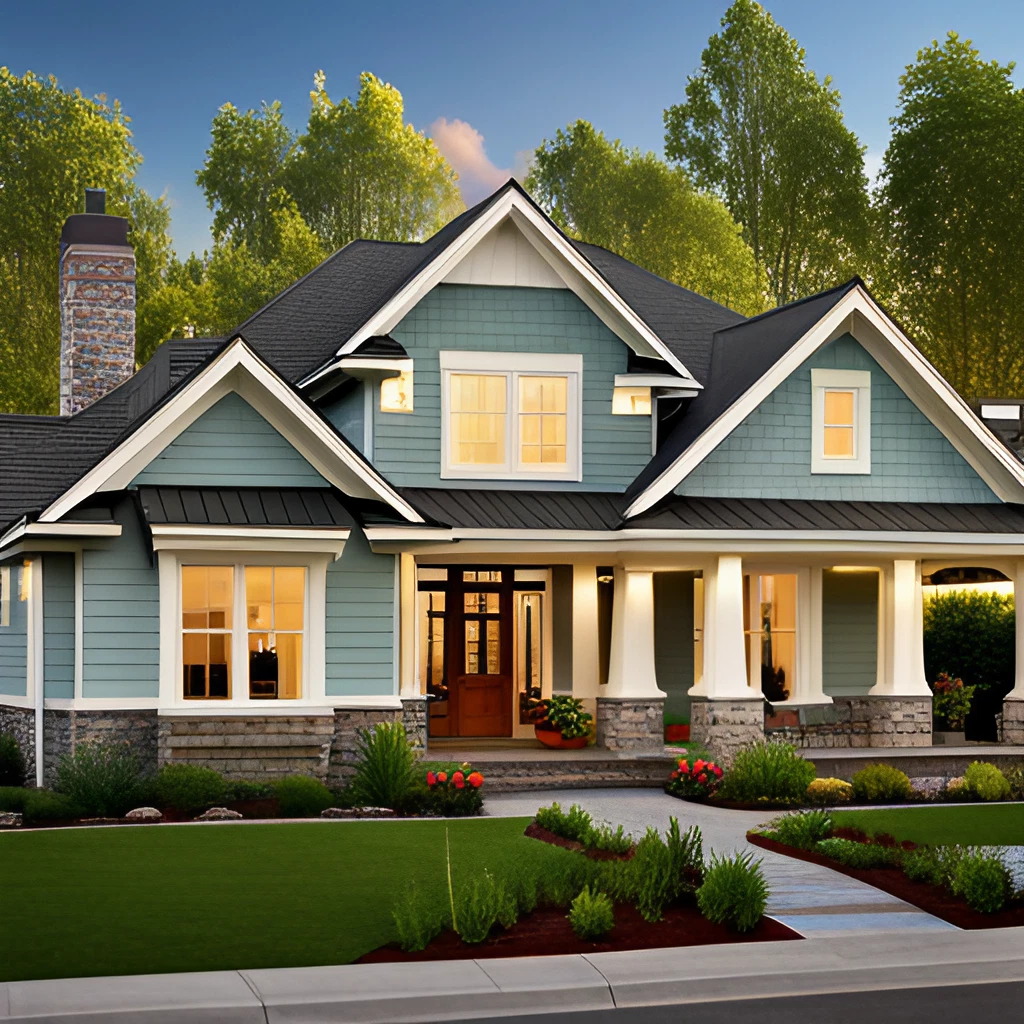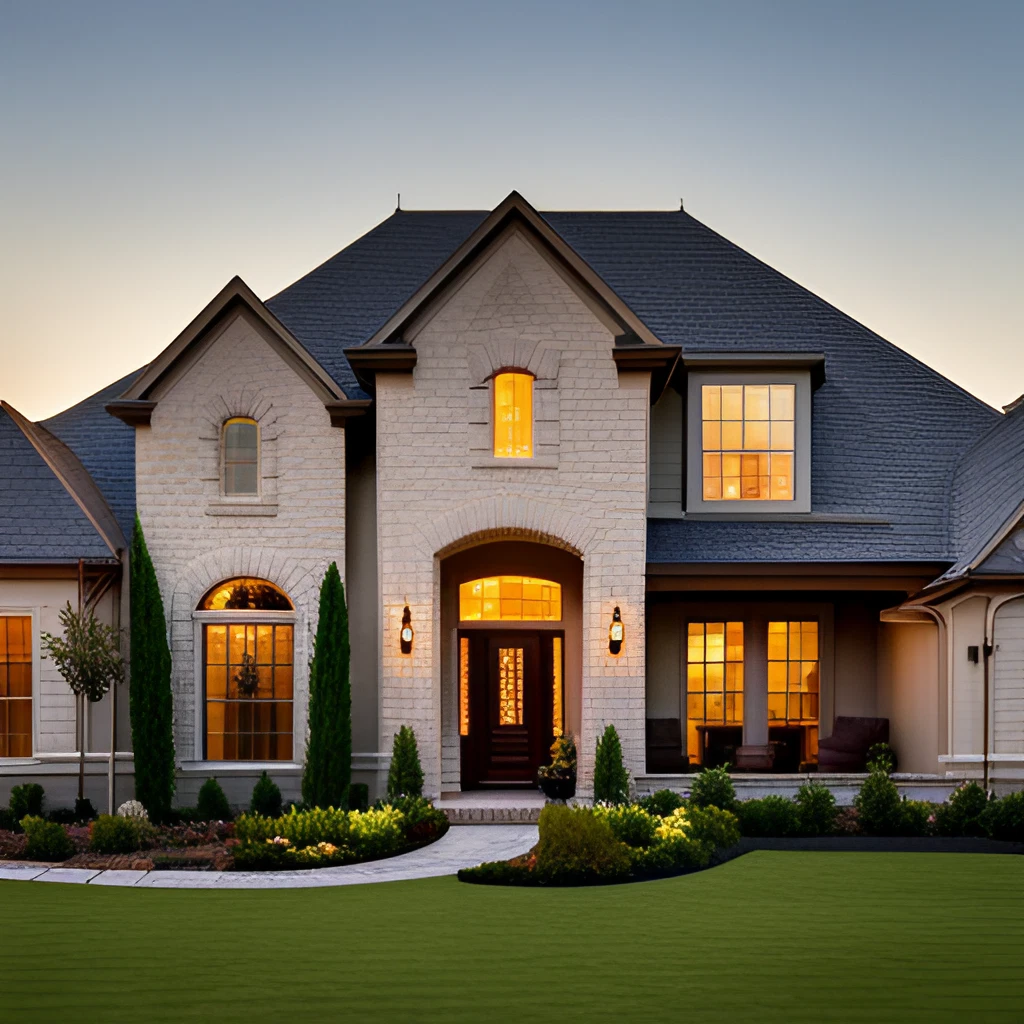

A buyer can decide how a home feels before they reach the front door. Faded trim, a scuffed entry, or walls marked by years of family life can make an otherwise solid Fort Worth house seem like a project. Painting house before selling Fort Worth is often one of the clearest ways to reset that first impression without taking on a full renovation.
Fresh paint does not make a home worth more by magic, and it cannot cover up structural issues or an outdated floor plan. What it can do is remove visible friction. It helps buyers focus on the space, the light, and the features they came to see instead of mentally pricing out repairs before the showing is over.
Is Painting House Before Selling Fort Worth Worth It?
For many sellers, yes, but the right scope depends on the home’s condition, price point, timeline, and competition in the neighborhood. A well-painted home communicates maintenance. It tells buyers that the owner paid attention to details, which can create confidence in the rest of the property.
In Fort Worth, exterior paint also carries a practical message. North Texas sun, wind, dust, hail, and rapid temperature changes are hard on siding, trim, doors, and fences. When exterior surfaces look neglected, buyers may wonder whether the damage is only cosmetic or a sign that wood and caulk have been left unprotected for too long.
The goal is not to turn every room into a design statement. The goal is to make the home look clean, current, and easy to move into. That is especially valuable when buyers are comparing several houses in one afternoon and have little patience for a long list of immediate projects.
Start With the Paint Problems Buyers Notice First
Not every surface needs paint. Spend the budget where wear is most visible and where a clean finish changes the way the home photographs and shows.
High-traffic interiors
Living rooms, hallways, entryways, kitchens, bathrooms, and primary bedrooms are usually the strongest candidates. Look for scuffs around switches, dark handprints near door frames, patched nail holes, furniture rub marks, and uneven touch-ups. These small issues can make walls appear older than they are.
Ceilings deserve attention when they are stained, yellowed, or heavily marked. A clean ceiling can make a room feel taller and brighter. If there has been a past leak, the source should be repaired first. Painting over an active moisture problem only delays a more serious conversation with a buyer or inspector.
Dated wallpaper, dark accent walls, and highly personal color choices can also work against a quick sale. A bold navy dining room may look great in photos for one buyer, while another sees a weekend project. Neutral does not have to mean sterile, but it should help buyers picture their own furniture in the room.
Exterior surfaces that shape curb appeal
From the street, buyers tend to notice fascia, soffits, front doors, shutters, garage doors, trim, and peeling areas around windows. These are often smarter targets than painting every square foot of exterior siding if the larger paint system is still in good condition.
The front door is a small surface with an outsized effect. A properly prepared and painted door can make the entry feel intentional and cared for. The same goes for weathered porch railings, worn fence gates, and peeling trim around the garage.
If paint is failing across large areas, wood is exposed, or caulk has split around windows and trim, a more complete exterior project may be the better choice. It costs more than a selective touch-up, but it also provides real protection against the weather that Fort Worth homes face year after year.
Choose Colors That Help the Home Sell
The safest paint colors for a sale are usually light, warm neutrals that work with the home’s existing floors, countertops, tile, and natural light. Soft off-whites, light greiges, gentle taupes, and muted warm grays tend to photograph well while keeping rooms open and flexible.
Pure, bright white can feel clean in some homes, but it can also make cream-colored cabinets, warm tile, or older trim look dingy by comparison. Cool gray can clash with honey oak, travertine, or warm beige flooring. Paint color is not chosen in isolation. It has to work with what stays in the house.
For exteriors, match the style and fixed materials of the home. Brick, stone, roof color, and neighboring homes should all influence the choice. A dramatic color may stand out, but standing out is not always the same as improving market appeal. Sellers generally benefit from a finish that looks fresh, well-maintained, and appropriate for the neighborhood.
Preparation Is What Keeps a Quick Sale From Looking Like a Quick Fix
A rushed paint job can create its own red flags. Roller marks, paint on hardware, messy cut lines, flashing from poor touch-ups, and peeling areas left under new paint are easy to spot in person. Buyers may not know the technical terms, but they know when work looks careless.
Professional preparation starts with cleaning the surface, repairing drywall damage, sanding rough spots, scraping loose paint, caulking gaps, and priming where needed. Exterior work may also require pressure washing, wood repair, and careful attention to areas where moisture or sun exposure has broken down the existing coating.
This work takes time, but it is where lasting results come from. Clean lines and even color matter. So do protected floors, covered furniture, and a job site that is left orderly for photos, showings, and moving plans. Sellers already have enough to coordinate. Painting should reduce stress, not add another mess to manage.
Know When to Paint and When to Leave It Alone
Painting before listing makes the most sense when the home is clean but visibly worn, when colors are strongly personal, or when exterior maintenance is affecting curb appeal. It can also help a property compete when similar homes nearby have been updated more recently.
There are situations where a smaller scope is wiser. If the home needs major foundation work, roofing repairs, extensive flooring replacement, or a full kitchen renovation, paint may not be the first dollar to spend. If a buyer is likely to renovate immediately, repainting every room may offer less value than targeted repairs and a thorough cleaning.
Timing matters, too. Interior work should be finished before listing photos and ideally before the home is actively being shown. Exterior painting needs dry conditions and enough time for proper preparation and curing. Waiting until the last possible week can limit color options, force rushed decisions, and create unnecessary stress.
A Smart Pre-Listing Painting Plan
A practical plan begins with an honest walk-through. View the home the way a buyer will: from the street, through the front entry, down the main hall, and into the rooms with the most daylight. Make note of what reads as wear, what reads as personal taste, and what could make a buyer hesitate.
Prioritize these areas when the budget is limited:
- Damaged or heavily marked walls in main living spaces
- Peeling exterior trim, fascia, doors, and garage doors
- Drywall patches, nail holes, and visible cracks that can be properly repaired
- Strongly personalized colors in bedrooms, dining rooms, or common areas
- Worn cabinets or trim that date an otherwise clean room
Cabinet refinishing can be worth considering when the boxes are in good shape but the finish is visibly worn or outdated. It is a larger decision than wall paint, and it is not right for every listing. Still, in a kitchen where replacing cabinets is not realistic, a professionally refinished finish can change the entire impression of the room.
Before committing, compare the work to the likely sale timeline and the home’s price range. The best project is not necessarily the biggest one. It is the one that removes the most obvious objections and presents the property as clean, maintained, and ready for its next owner.
When you are preparing to sell, the paint should make the house feel cared for without calling attention to itself. A careful estimate and a clear scope can help you put money where buyers will see it most, then get the home on the market looking clean, current, and ready to show.